Grid-tied, hybrid or off-grid solar: which one do you need?
The right type depends on one question: do you need power during a brownout?
Updated November 2026
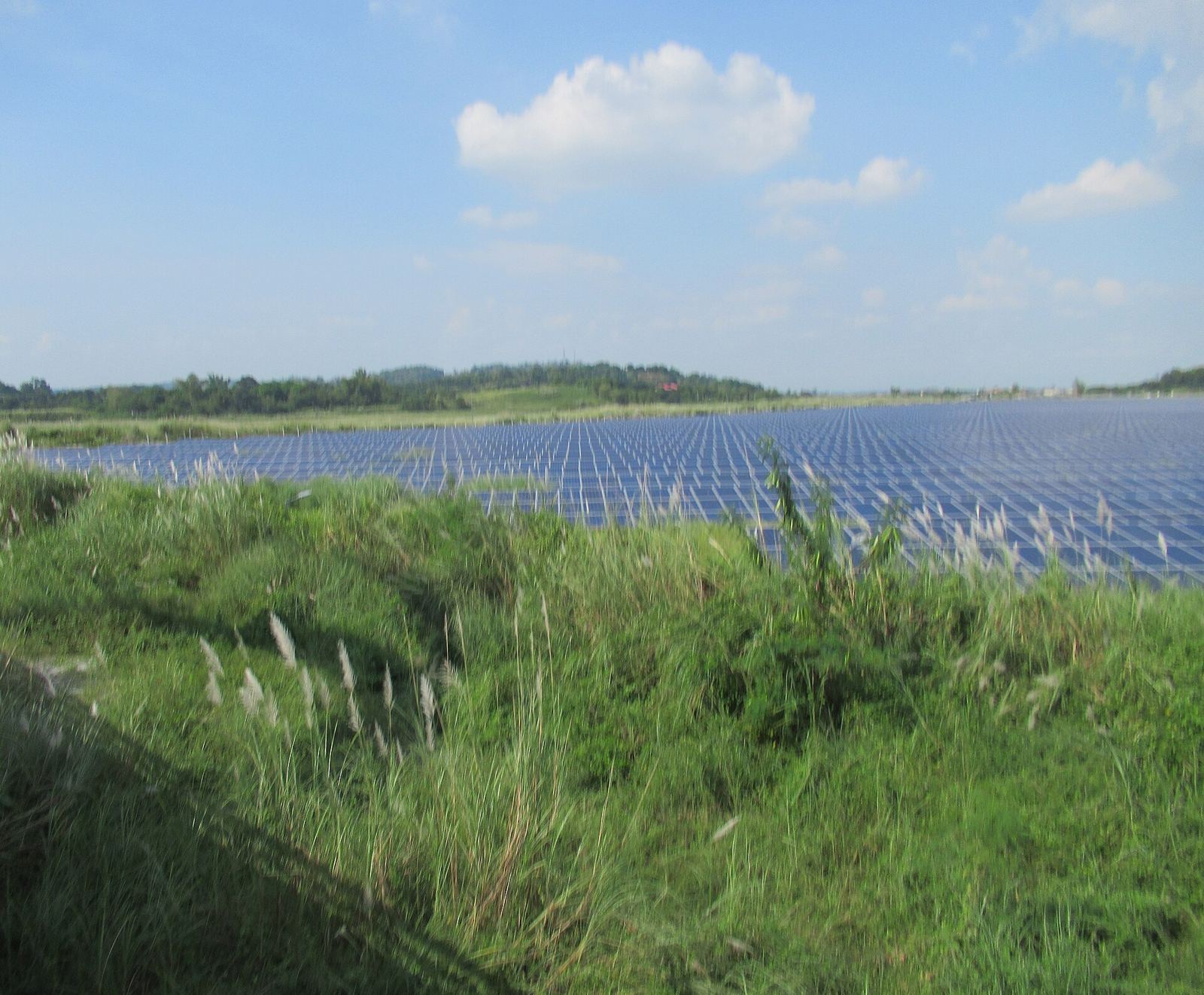
Grid-tied: the simplest
Panels and an inverter, connected to your home and the grid. No battery. During the day you use your own solar power first and take the rest from the grid. It is the lowest-cost type.
One thing to know: a grid-tied system switches off during a brownout. This is a safety rule that protects line workers, not a fault.
Hybrid: solar plus battery
A hybrid system adds a battery. Extra solar power charges it, and the battery can run chosen circuits in the evening or during a brownout. It costs more because of the battery, and how long it lasts in a brownout depends on the battery size and what you plug in.
Off-grid: no utility connection
Off-grid systems are for places the grid does not reach, such as farms and remote houses. They need a large battery and often a generator for long rainy spells, so they cost the most for the same amount of power. If you have a Meralco or cooperative connection, you rarely need this.
How to choose
- Lowest price and mostly daytime use: grid-tied.
- Frequent brownouts, or you want power at night from your own system: hybrid.
- No grid connection: off-grid.
More guides
- Solar panel price in the Philippines (2026) ›
- Net metering in the Philippines: how it works ›
- How many solar panels do I need? ›
- Is my roof good for solar panels? ›
- Solar for business in the Philippines ›
- Solar batteries: how long will my house run in a brownout? ›
- How to read your Meralco bill before going solar ›
- Solar panels, typhoons and maintenance in the Philippines ›
- 10 questions to ask before you buy solar ›