Solar inverters: string, micro, optimizer or hybrid?
The inverter turns the panels' DC power into AC power your home can use. There are four common set-ups.
Updated November 2026
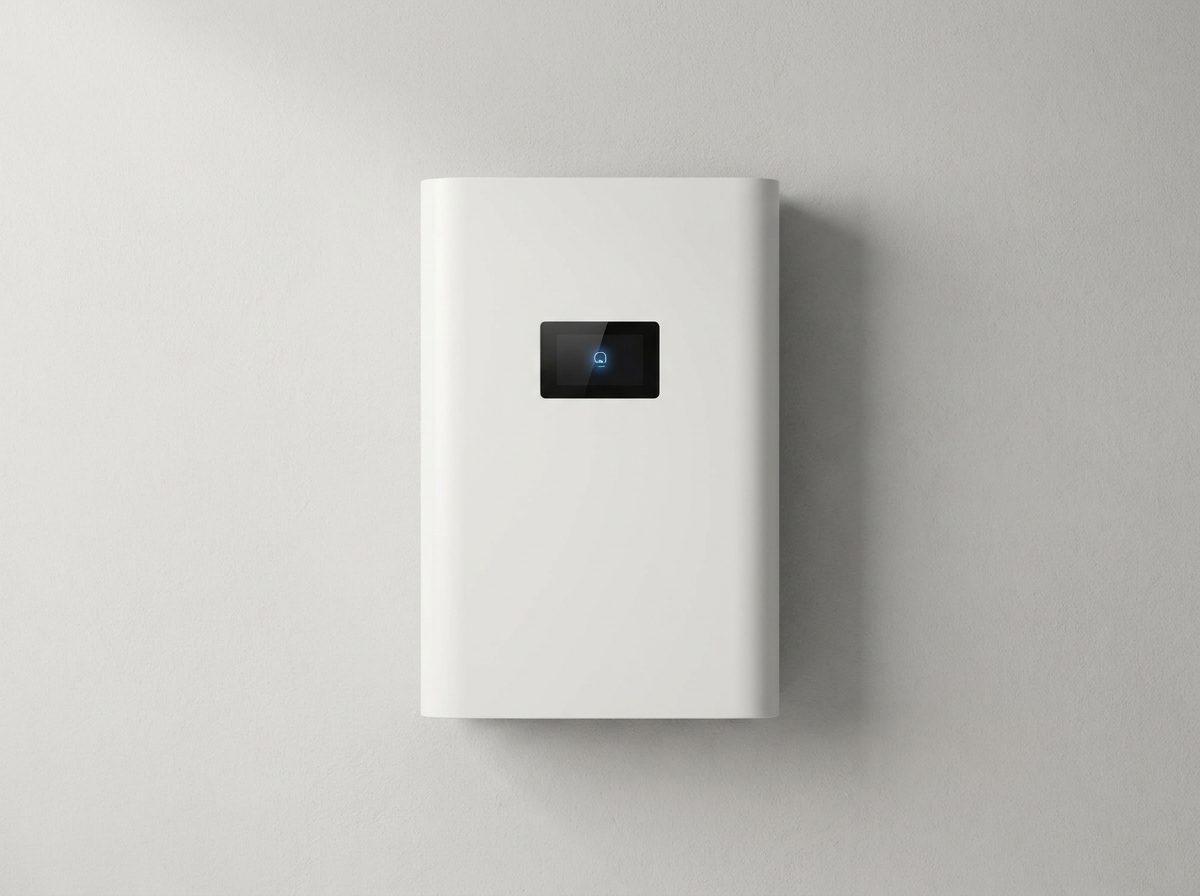
String inverter
Panels are wired in strings to one central inverter. EnergySage calls it the most affordable option. Each string is limited by its weakest panel, for example one in shade or with a fault, and you can only monitor each string, not each panel. The central inverter warranty is typically about 10–12 years.
Microinverters
One small inverter sits under each panel and turns DC into AC on the roof. Each panel works on its own, so shade on one panel affects the others less, and you can monitor each panel. EnergySage says it is usually the most expensive option and typically carries a 25-year warranty.
Microinverters typically work only with AC-coupled batteries.
Power optimizers
An optimizer also sits at each panel, but it conditions the DC power and sends it to a central string inverter. You get panel-level monitoring. Optimizers typically carry a 25-year warranty, and the central inverter still has its own, of about 10–12 years (EnergySage).
Hybrid inverter
A hybrid inverter combines a solar inverter and a battery inverter in one unit. Some hybrid inverters with batteries can keep running on solar when the grid is down. It costs more upfront than a plain grid-tied system.
To add a battery to a system you already have, EnergySage says the easiest route is often an AC-coupled battery with its own inverter.
Which one fits
- Simple roof, no shade, no battery: a string inverter is usually enough.
- Shade from trees or neighbours, or roofs facing different ways: ask about microinverters or optimizers.
- You want backup in brownouts: ask for a hybrid inverter with a battery that is set up to run when the grid is down.
- Off-grid systems cannot use net metering.
Sources
- EnergySage: String inverters vs microinverters vs optimizers
- EnergySage: Hybrid inverters
- EnergySage: Going off the grid
More guides
- Solar panel price in the Philippines (2026) ›
- Grid-tied, hybrid or off-grid solar: which one do you need? ›
- Net metering in the Philippines: how it works ›
- How many solar panels do I need? ›
- Is my roof good for solar panels? ›
- Solar for business in the Philippines ›
- Solar batteries: how long will my house run in a brownout? ›
- How to read your Meralco bill before going solar ›
- Solar panels, typhoons and maintenance in the Philippines ›
- 10 questions to ask before you buy solar ›
- Solar panel types: monocrystalline, polycrystalline and thin-film ›
- PERC, TOPCon, HJT and bifacial panels explained ›
- Solar panel degradation and warranties ›
- LiFePO4 vs lead-acid solar batteries in Philippine heat ›
- Does solar work in a brownout? ›
- Net metering with Meralco, step by step (2026 rules) ›
- Solar permits in the Philippines: electrical permit, CFEI and building permit ›
- How to read a solar panel datasheet ›